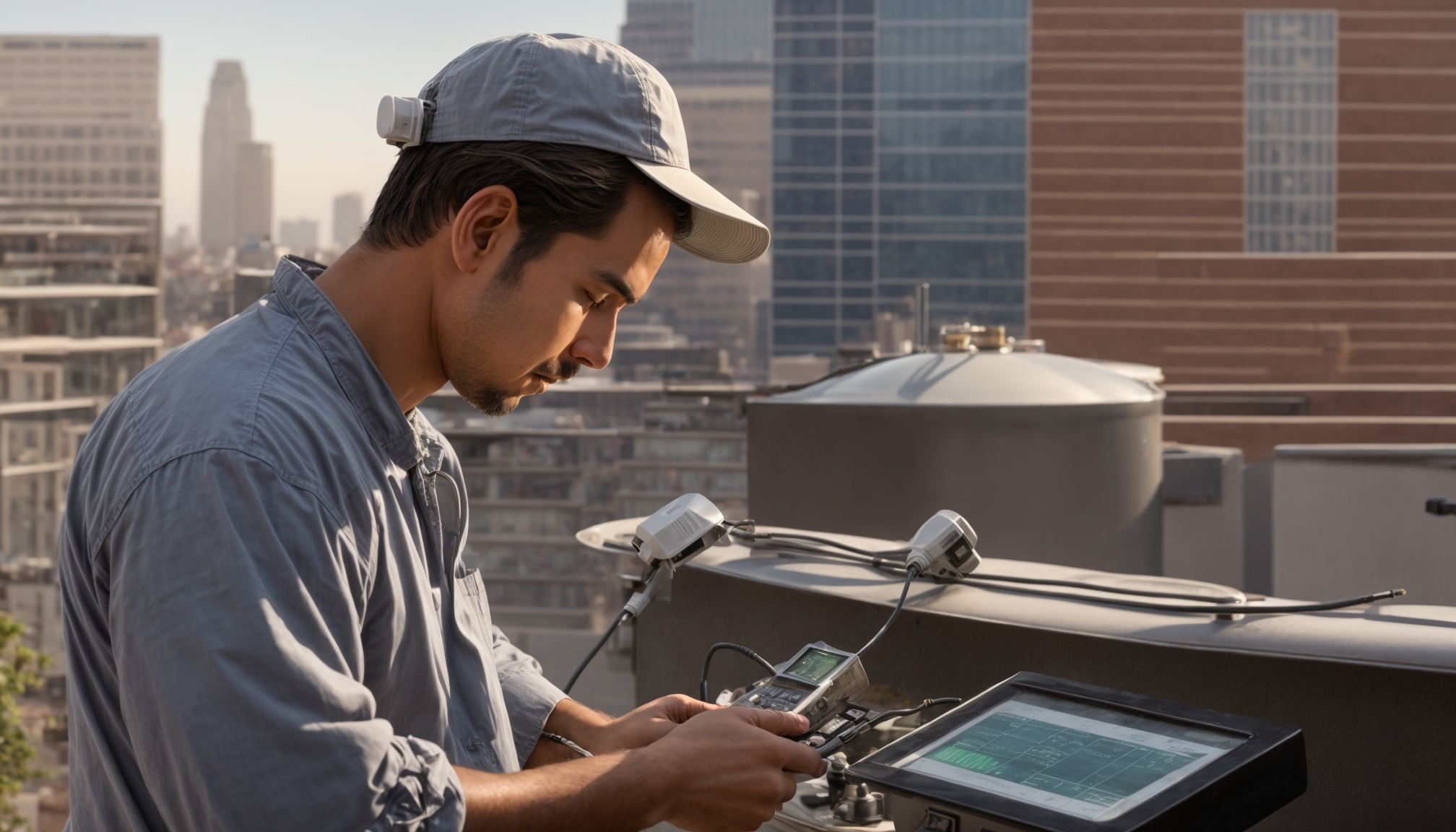
Digiturk Bulgaria – Turksat 42E dish alignment becomes far easier when users follow a structured, step‑by‑step signal‑tracking method.
For many viewers across Europe, the Middle East, and parts of Asia, Turksat 42E dish alignment is the key to stable reception. A small error in angle can cause pixelated images, sound drops, or complete signal loss. However, a careful setup process fixes most issues quickly.
The 42° East orbital position hosts multiple Turksat satellites that carry free‑to‑air and encrypted channels. Because of this, accurate Turksat 42E dish alignment directly affects channel availability and overall viewing quality. Even a few millimeters of dish movement can make a noticeable difference.
Many users rely only on trial and error. However, combining basic calculations, a signal meter, and patient adjustments results in a faster and more reliable setup. With this approach, the dish can lock onto the satellite and stay stable during wind or rain.
Before touching the brackets, every installer should understand the three main parameters of Turksat 42E dish alignment. These are azimuth, elevation, and LNB skew. Each one affects the received signal in a different way.
Azimuth is the left‑right direction of the dish when viewed from above. It tells you how far east or west you must turn the reflector. Elevation is the up‑down angle, measured from the horizon toward the sky. LNB skew is the rotation of the LNB head inside the feed arm clamp.
Most online satellite finders or smartphone apps provide these values once you enter your location and select Turksat 42E. As a result, you can start with realistic settings instead of random guesses. Nevertheless, final fine‑tuning still depends on live signal‑strength readings.
Successful Turksat 42E dish alignment does not require expensive professional gear. Still, a few basic tools dramatically simplify the work. First, you need a stable mounting surface and weather‑resistant brackets that do not bend under load.
Second, a reliable satellite receiver or combo TV with a built‑in signal bar is essential. In addition, a small external satellite signal meter can help during roof work when the screen is far away. A short piece of coaxial cable between the LNB and meter speeds up the process.
Finally, have a spanner or wrench set for adjusting nuts, plus a permanent marker to note your final angles. Once Turksat 42E dish alignment is complete, marked positions make later maintenance much easier.
The practical work begins with solid mounting. Make sure the mast or wall bracket is perfectly vertical using a bubble level. On the other hand, a crooked mast makes every later adjustment harder and less accurate.
After that, loosely attach the dish so it can still rotate and tilt. Set the elevation scale close to the recommended value for your location. Then point the dish roughly toward the calculated azimuth. Tighten the bolts just enough to keep the reflector steady but movable.
Next, connect the LNB to your receiver and select a strong Turksat transponder. Many installers use an HD free‑to‑air channel so they can instantly see picture quality. During Turksat 42E dish alignment, always watch both signal strength and signal quality on the receiver meter.
Read More: Complete transponder and beam information for Turksat satellite position
Now begin slow horizontal sweeps, moving the dish a few millimeters at a time. When the meter shows a rise in quality, stop and perform smaller left‑right adjustments. After finding the peak, repeat the process by slightly changing the elevation up and down until you reach the maximum reading.
Once azimuth and elevation look correct, focus on LNB rotation. Correct skew is a critical but often ignored part of Turksat 42E dish alignment. If skew is wrong, horizontal and vertical polarities will not separate cleanly, causing weaker quality.
Start with the approximate skew angle from your calculation tool. Then, with one hand on the LNB, gently rotate it a few degrees at a time while watching the quality bar. However, do not twist the coax cable excessively, as that may stress the connector.
When the strongest level appears, mark the LNB position on the holder. In addition, confirm that F‑connectors are tight and weather‑sealed with proper tape or boots. Good cabling protects the benefits you gained from careful Turksat 42E dish alignment.
Even with careful Turksat 42E dish alignment, some users experience partial channel loss or intermittent breaks. The most frequent cause is an obstacle such as a tree, balcony rail, or nearby building blocking part of the signal path.
Therefore, always visually check the line of sight between the dish and the sky. If the reflector “sees” any object in that direction, you may need to raise the mast or shift the location. Sometime, moving the dish only half a meter solves the issue completely.
Another problem is dish deformation. Strong wind or accidental impact can bend the reflector. As a result, the signal no longer focuses properly on the LNB. In that case, no amount of minor Turksat 42E dish alignment will fully restore the signal, and replacement might be necessary.
Weather, thermal expansion, and building vibration can slowly change your precise Turksat 42E dish alignment. Because of this, periodic checks are wise, especially after storms or heavy snowfall. A quick glance at the meter while watching your main channel is usually enough.
Every six to twelve months, inspect bolts for rust and perform a gentle shake test on the mast. If there is movement, carefully retighten while monitoring signal quality. Furthermore, clean the LNB cap and remove any bird droppings or accumulated dirt from the dish surface.
You can also save your transponder list and favorite channels to a USB stick or cloud backup if the receiver supports it. That way, when you perfect your Turksat 42E dish alignment, your channel setup remains preserved even after a factory reset.
With patience and the right technique, Turksat 42E dish alignment turns from a frustrating guesswork task into a controlled adjustment process. Users who understand azimuth, elevation, and skew can react calmly when the signal drops instead of randomly moving the reflector.
Record your final settings, both mechanically and in receiver menus, for future reference. Moreover, consider teaching other family members the basic steps so minor corrections do not always require outside help. In the long run, solid Turksat 42E dish alignment allows uninterrupted viewing, higher picture quality, and a more reliable entertainment setup.