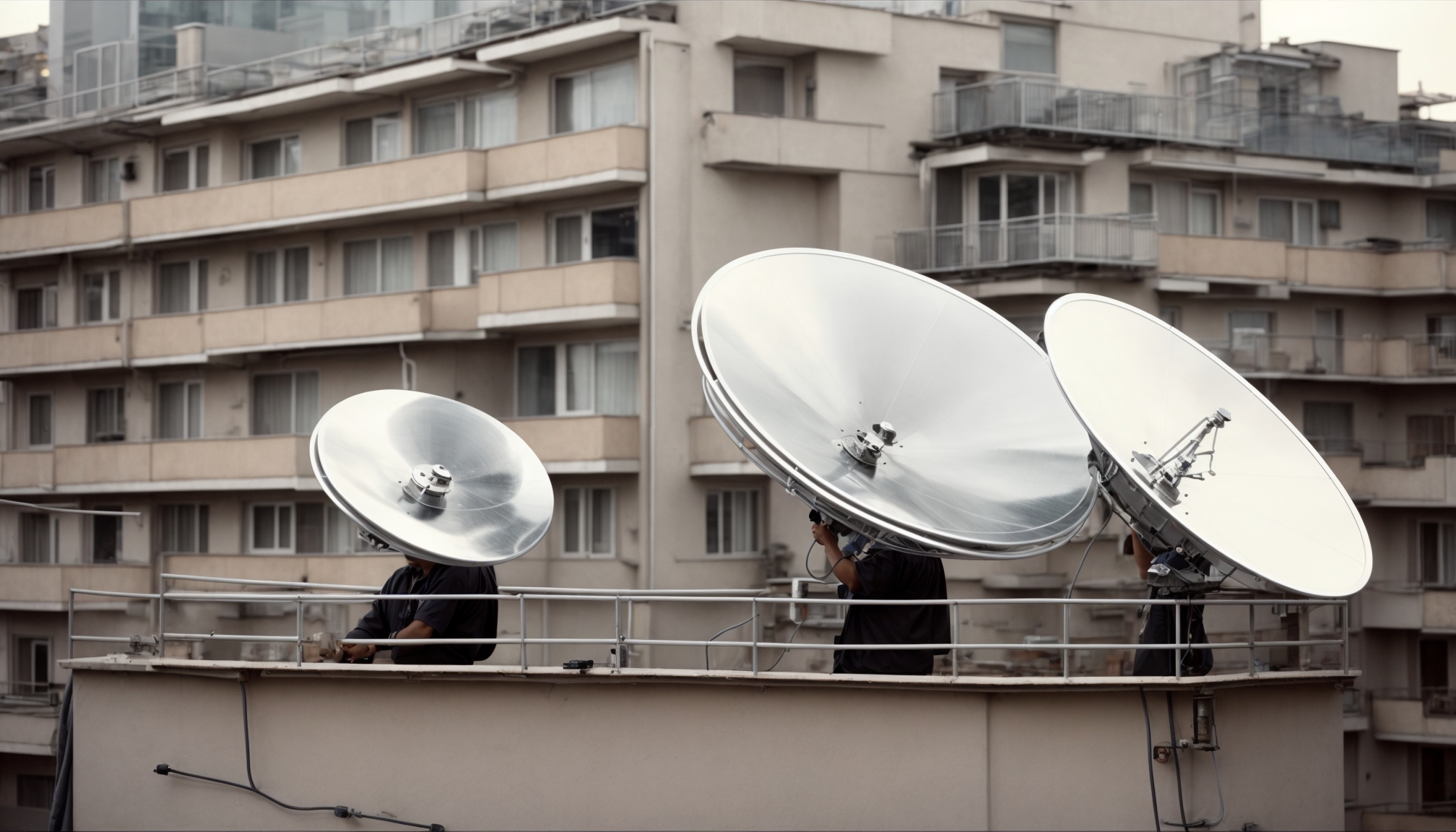
Digiturk Bulgaria – Residents comparing satellite dishes urban bulgaria in 2026 now face tighter building rules, denser high-rises, and more pay‑TV choices than ever.
Many viewers in Sofia, Plovdiv, Varna, and Burgas still rely on satellite dishes to access Bulgarian channels and international packages. Streaming services continue to grow, but satellite remains attractive thanks to stable picture quality and wide coverage, even when fiber networks struggle. Operators such as Bulsatcom, Vivacom, and A1 still invest in satellite capacity to serve mixed urban and suburban audiences.
For apartment dwellers, dish systems provide access to foreign language channels, sports, and news not always available on terrestrial or cable platforms. However, urban environments introduce challenges that buyers must weigh carefully. Tall neighboring buildings can block line of sight to the satellite, while strict façade rules can limit where you mount the dish.
Understanding these local constraints helps you select the right size, material, and mount before you spend money. That way, you avoid disputes with building management and reduce the risk of costly reinstallations or signal dropouts during winter storms.
When comparing satellite dishes urban bulgaria, focus on four main factors: dish size, material, mount type, and supported frequency bands. Each aspect matters in dense neighborhoods, where a small mistake can mean unreliable reception or angry neighbors.
Dish diameter usually ranges from 60 cm to 120 cm. In major Bulgarian cities, most pay‑TV providers recommend 80 cm as a solid compromise between compact size and rain resistance. Smaller 60 cm models can work in locations with perfect line of sight, but they lose signal faster during heavy rain or snow. In windy districts or where nearby towers create reflections, the safer choice is often 80–90 cm.
Material also matters in coastal cities such as Varna or Burgas, where salty air speeds up corrosion. Aluminum dishes weigh less, resist rust, and place less stress on balcony railings. Steel dishes often cost less, but need better protective paint and regular inspection to avoid rust that can distort the reflector and weaken the signal.
Most Bulgarian apartment blocks limit what residents can attach to façades, especially in renovated panel buildings or protected historic zones. Because of that, many buyers choose balcony mounts or non‑penetrating roof mounts that avoid drilling into walls. These solutions protect insulation layers and help maintain building warranties.
Balcony mounts clamp to railings and suit smaller dishes. They work best on balconies with clear southern exposure, since satellites serving the region sit in the southern sky. However, wind loads can be strong on high floors. You must check railing strength and use proper counterweights when necessary.
For rooftop installations, non‑penetrating mounts rest on concrete slabs or heavy tiles, spreading the load without damaging waterproofing. Building associations often prefer this method because it avoids leaks. Professional installers in Sofia and Plovdiv commonly use these mounts on shared roofs and can align multiple dishes on one frame for several apartments.
Read More: International overview of how modern satellites deliver broadcast TV
Urban weather in Bulgaria creates real pressure on dish performance. Heavy snow in winter can pile on the reflector or LNB, reducing signal strength. Regularly brushing off snow and ice without bending the arm or dish helps maintain picture quality. In addition, choosing a slightly larger dish provides margin against signal fade during storms.
Strong winds in open districts near the sea or on exposed hills can loosen poorly installed brackets. That causes gradual misalignment and frequent pixelation. Therefore, professional installation with galvanized bolts, proper anchors, and torque control is worth the extra cost, especially above the tenth floor.
Besides weather, interference from nearby buildings or trees can disrupt reception. Even a narrow obstruction can partially block the satellite arc. Before buying, check the planned mounting point at different times of day and seasons, since summer foliage may block paths that look clear in winter. Good installers often use satellite finders and phone apps to confirm visibility.
In 2026, most residential satellite dishes for Bulgarian cities fall into three standard categories: compact 60 cm, mid‑range 80–90 cm, and larger 100–120 cm models. Compact options suit renters who need a discreet installation on a small balcony. They often pair with a single LNB aimed at one main satellite position, focusing on one provider.
Mid‑range dishes dominate the market because they balance size, cost, and resistance to rain fade. Many households ask installers to mount multi‑LNB brackets on these dishes so they can receive two orbital positions at once, such as a Bulgarian provider plus popular European free‑to‑air channels. That setup demands precise alignment but offers channel diversity without extra subscriptions.
Larger dishes above 100 cm appear mainly in fringe coverage zones, hobbyist setups, or small buildings with shared headend systems. In dense city centers, regulations and aesthetics often prevent such big antennas. Checking the internal rules of your condominium association remains essential before choosing a larger model.
Proper installation remains critical when evaluating satellite dishes urban bulgaria. Bulgarian law allows residents reasonable access to information, but building management can regulate how and where dishes appear on shared property. Many associations request that all antennas use a common mounting area to avoid cluttered façades.
In practice, most owners rely on certified installers recommended by major operators. These technicians understand local regulations, know safe anchoring methods for panel and brick buildings, and carry insurance. Climbing onto roofs or leaning over high balconies without safety gear is extremely risky and should be avoided.
Cost‑wise, basic installation typically includes mounting, cabling through existing ducts, grounding, and alignment. Extra charges often apply for long cable runs, drilling through thick concrete, or complex multiroom systems. Getting a clear quote upfront helps you compare providers fairly and prevents surprises on installation day.
Before purchasing any equipment, residents should confirm satellite coverage maps published by their chosen provider. These maps show recommended dish sizes for different regions of Bulgaria and help narrow the choice. Reviewing user forums and neighborhood groups can also reveal which sizes work best in specific districts and building types.
Buyers should favor kits that include a quality LNB, corrosion‑resistant hardware, and UV‑protected coaxial cable. Cheaper components may fail after just one or two winters, leading to higher long‑term costs. Keeping invoices and warranties in a safe place simplifies future service calls or upgrades.
Finally, think about future needs. Households that may add a second TV or upgrade to 4K channels later should invest in a slightly more capable setup now. With careful planning and the right choice of satellite dishes urban bulgaria, city residents can enjoy stable reception, rich channel selection, and a clean building façade for many years.